Education has always been about more than textbooks and exams. Today, more than ever, the physical and structural environment surrounding students plays a decisive role in shaping their academic performance, emotional wellbeing, and overall learning experience. As the education sector continues to expand at a remarkable pace, the expectations placed on schools and preschools have grown just as quickly — and infrastructure now sits at the heart of that conversation.
For a long time, infrastructure was treated as a secondary concern, something to be addressed only after curriculum and staffing decisions were finalized. But this mindset is changing. Parents are increasingly evaluating schools not only by academic reputation, but by the quality of classrooms, safety measures, common areas, laboratories, and even outdoor spaces. A well-designed learning environment communicates something powerful: that an institution takes the holistic development of its students seriously.
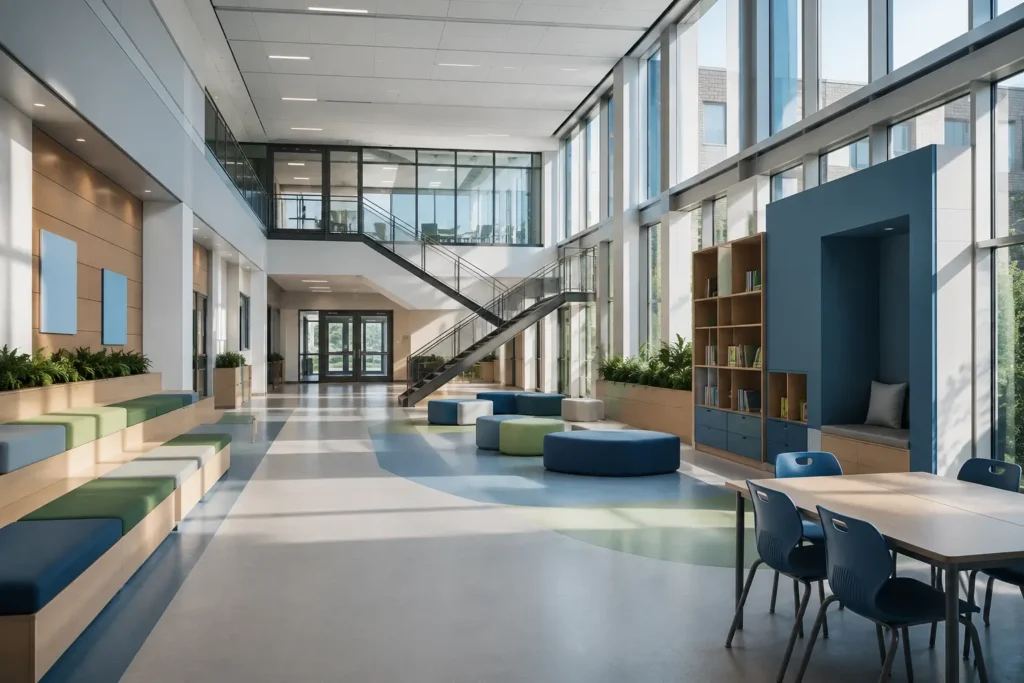
Strong infrastructure isn’t limited to modern buildings or aesthetically pleasing facilities. It includes properly ventilated and lit classrooms, functional safety and emergency systems, accessible spaces for students with different needs, and areas designed to encourage collaboration, creativity, and physical activity. Numerous studies in educational psychology have shown a direct correlation between environmental quality and student concentration, retention, and even behavior. In other words, the space itself becomes a silent teacher.
For many institutions, however, the challenge isn’t recognizing the importance of infrastructure — it’s knowing how to plan and execute improvements without straining limited budgets or disrupting daily operations. This is where a structured, phased approach becomes essential. Rather than attempting large-scale renovations all at once, successful institutions often prioritize based on impact: safety first, functionality second, and aesthetic enhancement following as resources allow.
Investing in infrastructure should never be viewed as a one-time expense but as an ongoing commitment. As enrollment grows, technology evolves, and educational methods shift, physical spaces must be able to adapt accordingly. Institutions that treat infrastructure development as a continuous process — rather than a box to check — position themselves far better for sustainable growth.
At bedayeh, we work closely with schools and preschools to assess their current infrastructure, identify priority areas, and design realistic, budget-conscious improvement plans. Our goal isn’t simply to upgrade buildings — it’s to help institutions create environments where learning can genuinely thrive, today and for years to come.